


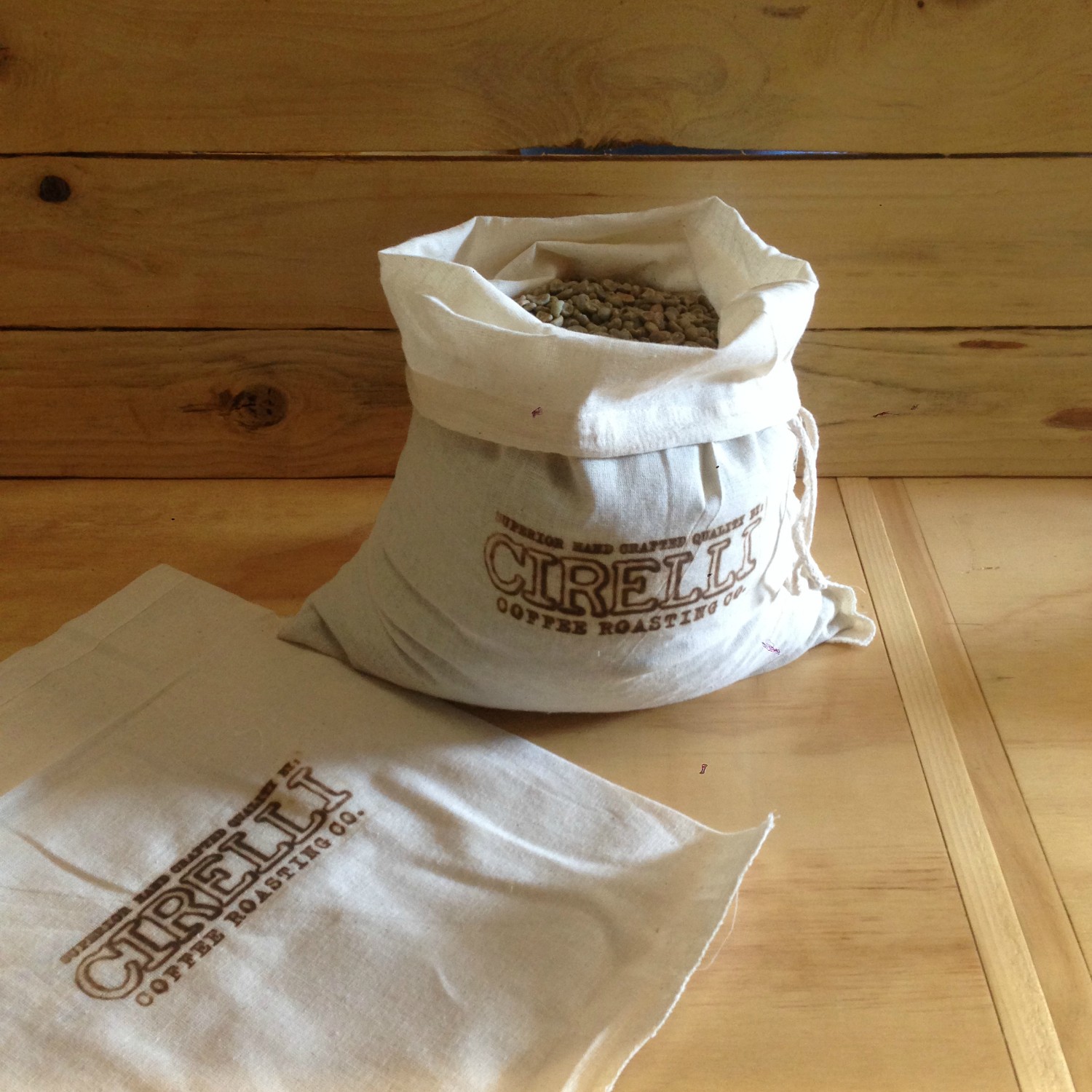
Description
Sumatran Indonesian Lington Mandheling
Sumatran Indonesian Lintong Mandheling green beans originate from the Lintong Nihuta region of northern Sumatra. This highland area sits near Lake Toba and benefits from volcanic soil, cool temperatures, and high humidity. These growing conditions help produce coffees known for depth, weight, and consistency.
The Sumantran Lintong Mandheling green coffee is traditionally processed using the wet-hulled method, also known as Giling Basah. This processing style reduces perceived acidity and enhances body. As a result, the cup profile feels dense and syrupy with a grounding character. Expect flavours of dark chocolate, earthy sweetness, cedar spice, and subtle herbal notes.
This coffee suits roasters seeking bold structure rather than brightness. It performs best at medium to dark roast levels, where sweetness increases and savoury elements soften. Espresso extractions deliver strong crema and excellent presence through milk. Filter brewing at darker roast levels highlights body and warmth.
Lintong Mandheling also excels as a base component in blends. Its heavy mouthfeel anchors lighter coffees and balances brighter origins. Many traditional espresso blends rely on this origin to build richness and consistency. The flavour profile remains familiar and comforting, making it popular with milk-based coffee drinkers.
Key Features:
- Origin: Indonesia
- Region: Lintong, near Lake Toba
- Varietals: Typica, Catimor
- Altitude: 1,250 – 1,450 MASL
- Processing: Wet-hulled (Giling Basah)
- Flavor Notes: Full-bodied, earthy, dark chocolate, herbal, and spice
Roasting Guide
Let’s look at this quick guide for some roasting inspirations. Remember this is just a guide & at any point you can choose your own roasting profiles.
LIGHT ROAST
Expect herbal notes, cedar, and mild cocoa. The acidity stays low but feels earthy. The body remains lighter than traditional Mandheling profiles. This roast suits filter brewing, although some savoury tones may dominate.
Best for: Filter, pour-over, Aeropress
Medium Roast
Medium roast brings balance and sweetness. Earthy notes soften, while chocolate and brown sugar emerge. The mouthfeel becomes smoother and rounder. This level shows why Mandheling is popular. It keeps complexity without heaviness.
Best for: Espresso, stovetop, plunger
Medium–Dark Roast ⭐ Most Recommended
Most home roasters prefer this level. The body becomes syrupy and rich. Dark chocolate, spice, and toasted nuts dominate. Earthy flavours feel clean and controlled. Acidity stays very low. This roast delivers the classic Mandheling experience.
Best for: Espresso, milk-based drinks
Dark Roast
Dark roasting enhances smokiness and intensity. Flavours shift toward bitter chocolate, spice, and wood. Oils may appear on the surface. This roast suits drinkers who enjoy bold coffee with minimal acidity.
Best for: Strong espresso, long black, milk-heavy drinks
Which bean compliments Sumatran Mandheling.
1. Brazil Natural (Cerrado / Santos / Mogiana)
Why it works:
Brazil Natural adds sweetness, body, and creamy chocolate notes that support the dense, earthy character of Mandheling. Its low acidity pairs seamlessly with Mandheling’s gentle profile.
Blend benefit:
Enhances body and mouthfeel + Adds caramel and nutty sweetness + Softens earthiness without diluting depth.
2. Colombia Washed (Huila / Tolima)
Why it works:
Colombia Washed brings clarity, light fruit sweetness, and soft florals. These lift the blend’s top end while Mandheling delivers weight and balance.
Blend benefit:
Adds brightness and complexity + Improves flavour clarity + Keeps body balanced without sharp acidity
3. Guatemala SHB Washed
Why it works:
Guatemala SHB adds structure and cocoa depth that play well against Mandheling’s earthy base. Its gentle brightness enhances the chocolate presence without overpowering.
Blend benefit:
Strong mid-palate cocoa notes + Enhanced sweetness and depth + Adds complexity to medium and dark roasts.
DOES MANDHELING WORK AS A BASE?
Yes — Sumatran Mandheling can absolutely be used as a base bean, and in fact, it’s one of the most common choices for espresso and full-bodied blends.
Here’s why:
-
Full-bodied and syrupy: Gives the blend a heavy, satisfying mouthfeel.
-
Low acidity: Smooth and creamy, ideal for milk-based drinks.
-
Deep flavour notes: Chocolate, cedar, spice, and subtle earthy tones provide a solid foundation.
-
Roast flexibility: Performs well in medium to medium-dark roasts without losing structure.
When to Use Less
-
If you want a bright, fruity, or lightly acidic profile for filter coffee, Mandheling works better as a supporting bean at 20–35%.
Roaster Insight
Many professional and home roasters rely on Mandheling as the base and add:
-
Brazil Natural for sweetness and chocolatey depth
-
Colombia Washed for clarity and lift
-
Guatemala Washed for structure and mid-palate complexity
Let’s create a blend and you be the judge of this. What would you change next time you roast? or would you keep it the same?
Four-Bean Espresso Blend Formula
1. Bean Roles
| Bean | Role in Blend | Contribution to Flavour |
|---|---|---|
| Sumatra Mandheling | Base | Heavy body, low acidity, chocolate, spice, earthy notes |
| Brazil Natural | Sweetness | Cocoa, nutty tones, creamy texture |
| Colombia Washed | Lift | Floral notes, subtle acidity, clarity |
| Guatemala SHB | Structure | Cocoa depth, mid-palate complexity, smooth finish |
2. Suggested Ratios
-
Sumatra Mandheling: 45–50% (base)
-
Brazil Natural: 25–30% (sweetness and body)
-
Colombia Washed: 15–20% (acidity and lift)
-
Guatemala SHB: 10–15% (structure and balance)
Example for 1kg batch:
500g Mandheling | 250g Brazil | 150g Colombia | 100g Guatemala
4. Expected Flavour Profile
-
Aroma: Chocolate, caramel, cocoa, subtle floral lift
-
Flavour: Rich chocolate and nuts, light fruit notes, balanced earthiness
-
Body: Full, syrupy, creamy
-
Acidity: Low to medium, balanced
-
Aftertaste: Long, chocolate-caramel finish
We hope you enjoy roasting Sumatran as much as we do.
Reviews
There are no reviews yet.