


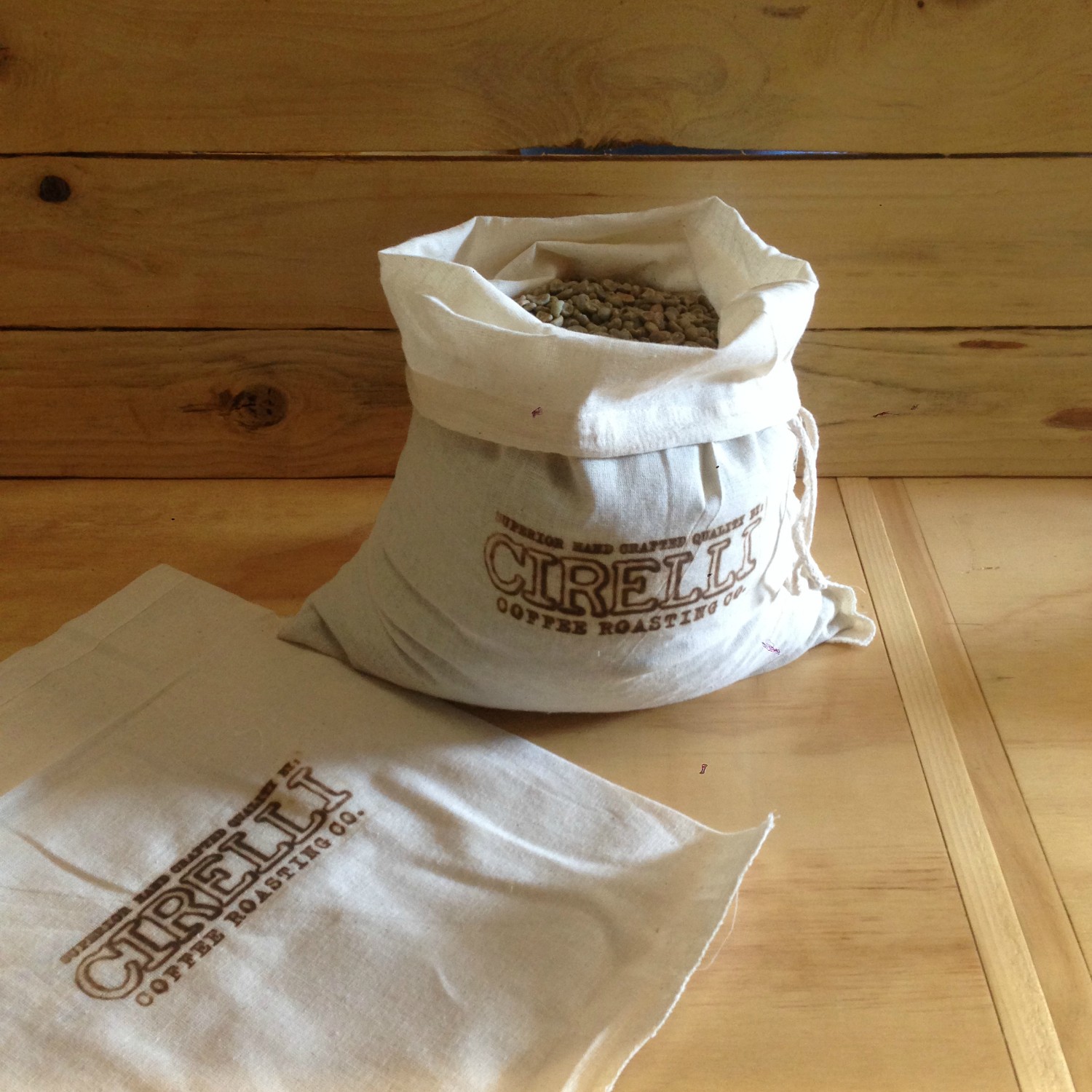
Description
Keny AB
Kenya AB Green Coffee Beans are prized by home roasters and professionals for their lively acidity, layered sweetness, and refined structure. Sourced from high-altitude regions in Kenya, these beans grow in rich volcanic soils that support slow maturation and dense bean development. As a result, the cup delivers exceptional clarity and a distinctive fruit-forward character.
Kenya AB Green Coffee Beans suit roasters who value precision and expression. The beans respond well to controlled heat application and reward thoughtful development. Light to medium roasts highlight vibrant acidity and fruit clarity. Medium roasts introduce caramel sweetness while preserving brightness. Darker roasts reduce acidity and bring heavier cocoa tones, although the origin character softens.
Home roasters benefit from the bean’s consistency and resilience. The density allows for even heat absorption and predictable first crack behaviour. This makes profiling easier for both beginners and experienced roasters.
This coffee performs beautifully as a single origin filter. It also shines as a highlight component in espresso blends. When blended, it adds lift, aroma, and sparkling acidity that balances heavier base coffees.
Key Features of Green Coffee Beans Adelaide:
- Origin: Kenya
- Region: Kenyan Highlands
- Producer: Selected smallholder growers & wet mills
- Harvest: September to December
- Processing: Fully washed & sun-dried
- Varietals: SL28, SL34, Ruiru 11
- Altitude: 1,500 – 1,950 MASL
- Cupping Notes: Berry, chocolate, sweet, bright acidity
- Score: 80
Home Roasting Profile (Guide)
-
Light Roast: Bright acidity, blackcurrant, citrus zest, floral aroma
-
Medium Roast: Balanced sweetness, red fruit, caramel, juicy finish
-
Medium–Dark Roast: Cocoa notes, softer acidity, fuller body
Recommended by home roasters: Medium roast for balance and clarity.
Can Kenya AB Be a Base Bean?
✅ Yes — in bright, modern blends
Kenya AB performs well as a base when the goal is:
-
Lively acidity
-
Fruit-forward flavour
-
Filter-focused or modern espresso profiles
In these blends, Kenya AB provides:
-
Structure and clarity
-
Juicy acidity
-
Distinctive aroma
However, it behaves very differently from traditional base coffees.
⚠️ When Kenya AB Is Not Ideal as a Base
Kenya AB is not the best base for:
-
Heavy, chocolate-driven espresso
-
Milk-based drinks that need low acidity
-
Traditional Italian-style blends
Its natural brightness can dominate if not balanced carefully.
Best Way to Use Kenya AB in Blends
🔹 As a Partial Base (Recommended)
Use 30–50% Kenya AB as a structural base, then balance with:
-
Brazil Natural for sweetness and body
-
Colombia or Guatemala for balance
-
Sumatra for depth and low acidity
This approach keeps the blend expressive but approachable.
🔹 As a Highlight Bean (Most Common Use)
Use 10–25% Kenya AB to:
-
Lift flat blends
-
Add aroma and complexity
-
Increase clarity in espresso
This is the safest and most versatile approach.
Kenya AB is generally better as a highlight bean rather than a base, especially for blends aimed at broad appeal.
Why It’s Rarely Used as a Full Base
Kenya AB is less suitable as a full base because:
-
Its acidity dominates
-
Milk can clash with its brightness
-
It lacks heavy body compared to Brazil or Sumatra
Traditional espresso bases aim for sweetness and low acidity. Kenya AB does the opposite.
Example Blend Ratios
Modern Espresso Blend
-
40% Kenya AB
-
30% Brazil Natural
-
20% Colombia Washed
-
10% Guatemala SHB
Result: Bright, sweet espresso with balance.
Filter-Forward Blend
-
50% Kenya AB
-
30% Colombia Washed
-
20% Ethiopia Washed
Result: Clean, juicy, and aromatic.
Final Recommendation
✅ Best use: Highlight bean (10–25%)
⚠️ Optional: Partial base (30–50%) in modern blends
❌ Not ideal: Full base for traditional espresso
Additional Information
Best stored in a cool, dry place. Rest roasted coffee for 7–10 days before brewing.

Reviews
There are no reviews yet.